
Moray MacPhail brings us a report on the first East Coast Gaffers winter event 2026/27 when we gathered at Hemley Church for a welcome with coffee and biscuits in the delightful Church Room. Before setting off on our walk, our guide warned that ‘wellies are advised as we had a very high tide yesterday!’
On a brisk bright morning, Sunday 15 November 2026, twenty doughty East Coast Gaffers assembled for what was advertised as a ‘ramble along the banks of the River Deben to explore an historic port amongst other fascinating tales and treasures’. Well, who knew that if you are invited to the annual dinner of The Taxidermists Society, you have to guess what animal it is you are eating (and no jokes about stuffing!) . . . Or that if, after cleaning in moss, earthworms (“you know you have a damp problem if a worm emerges from the wall”) can be fed on flavoured flour and then deep fried . . . Or that poplar trees are a crop intended to become matchsticks, or even that runic scripts on the side of a large boulder are actually the result of moving it using a JCB!
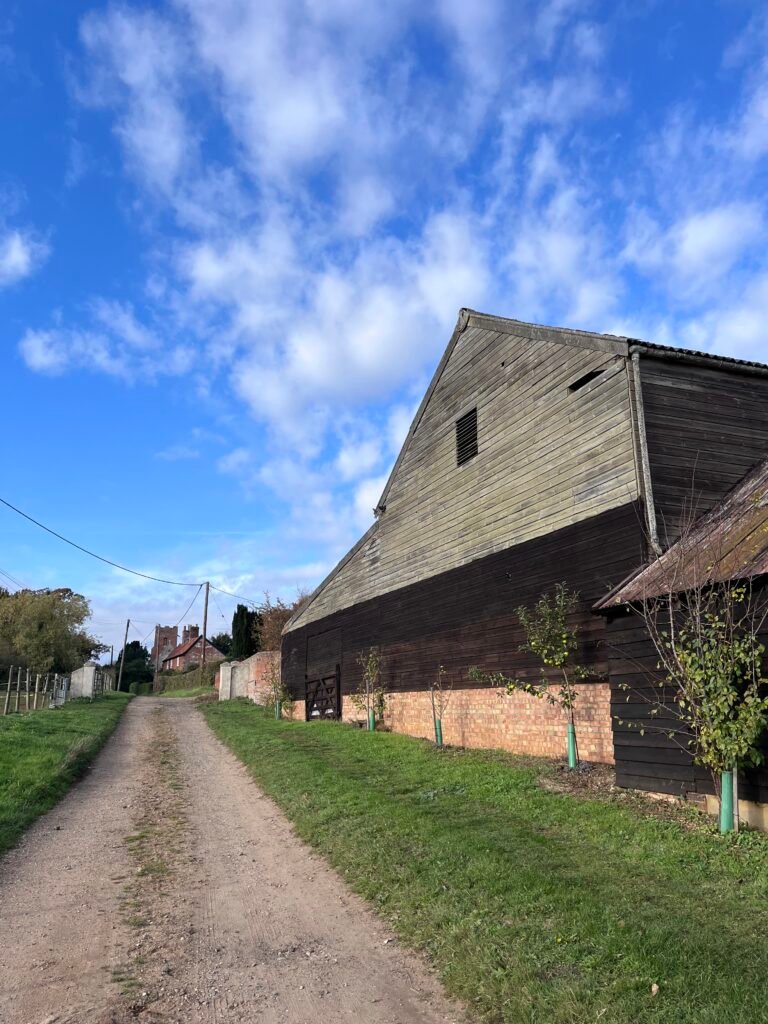
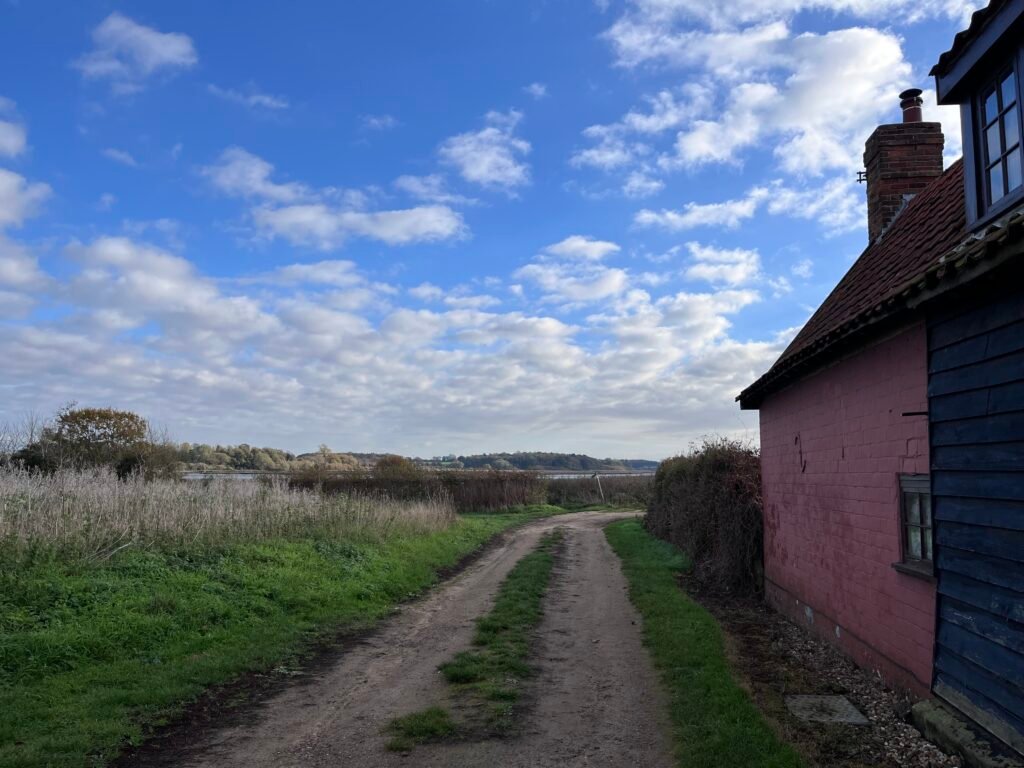
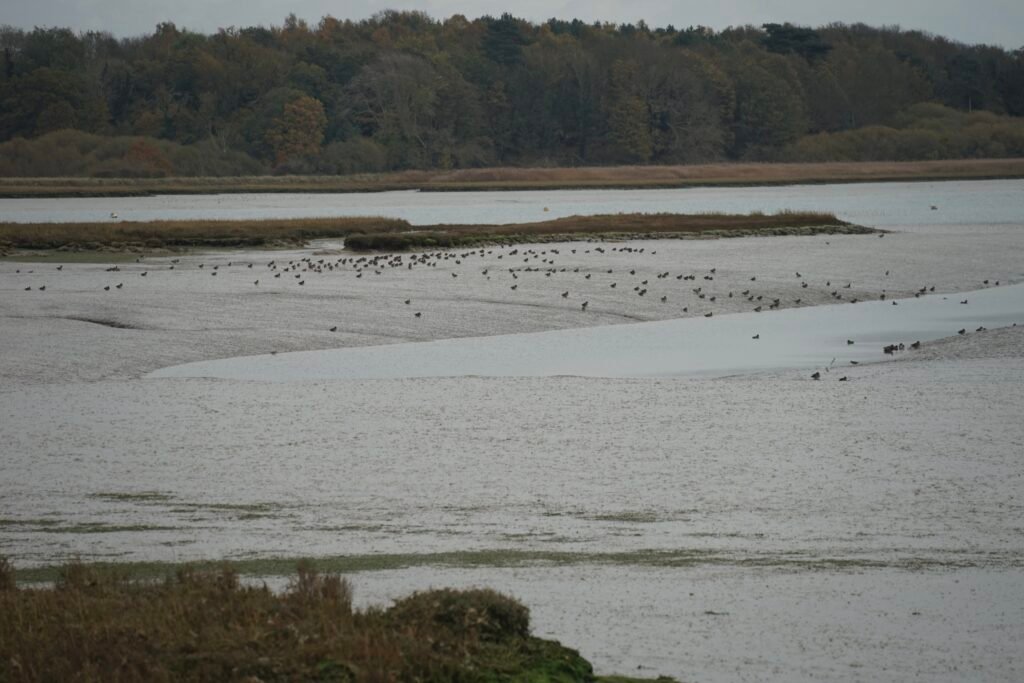
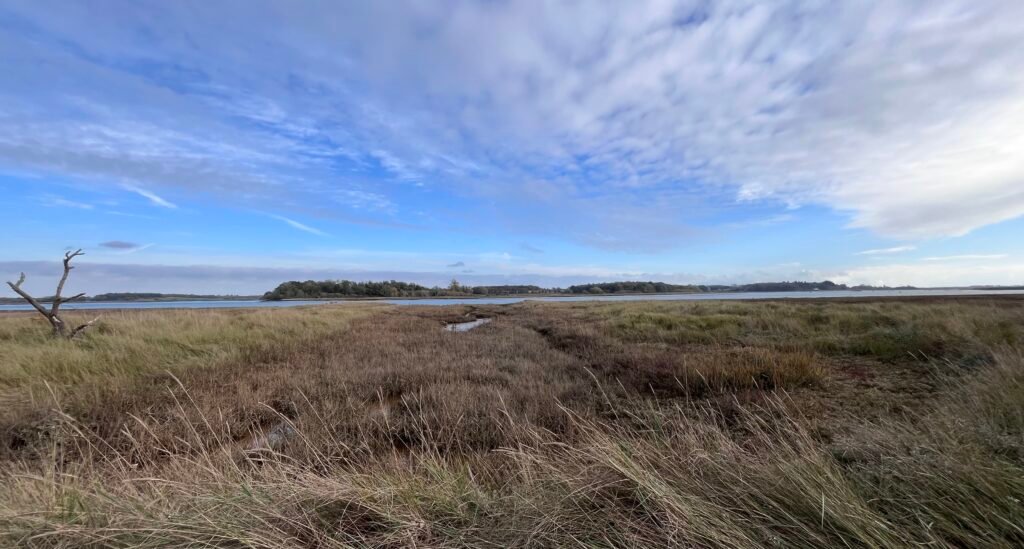
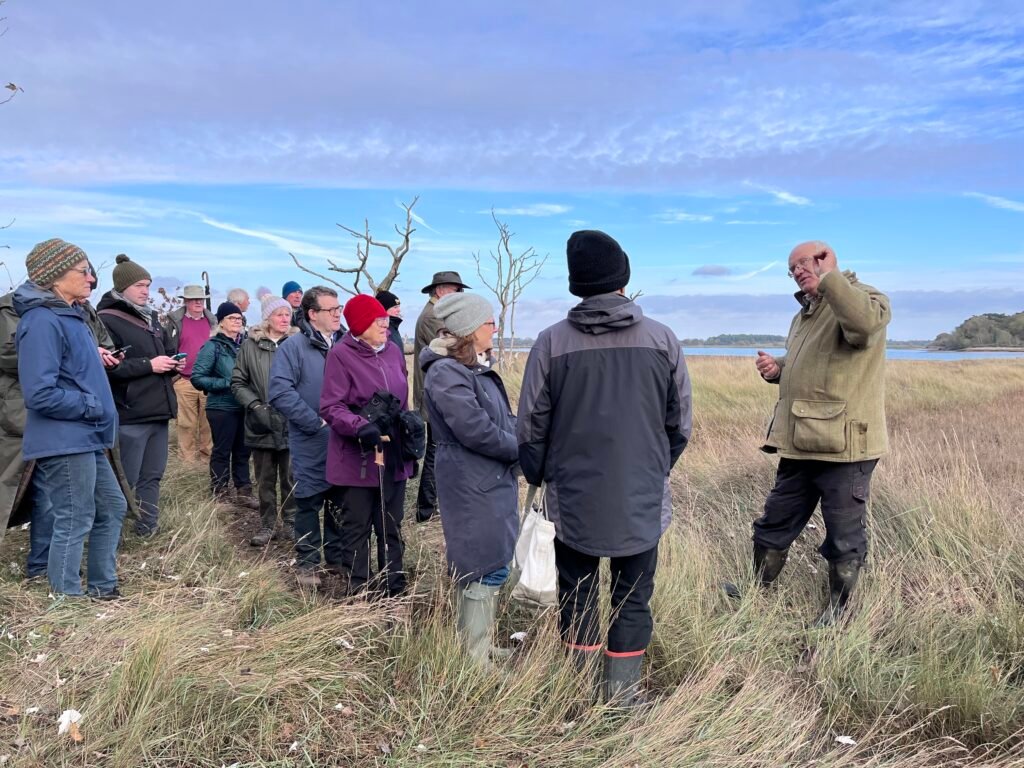
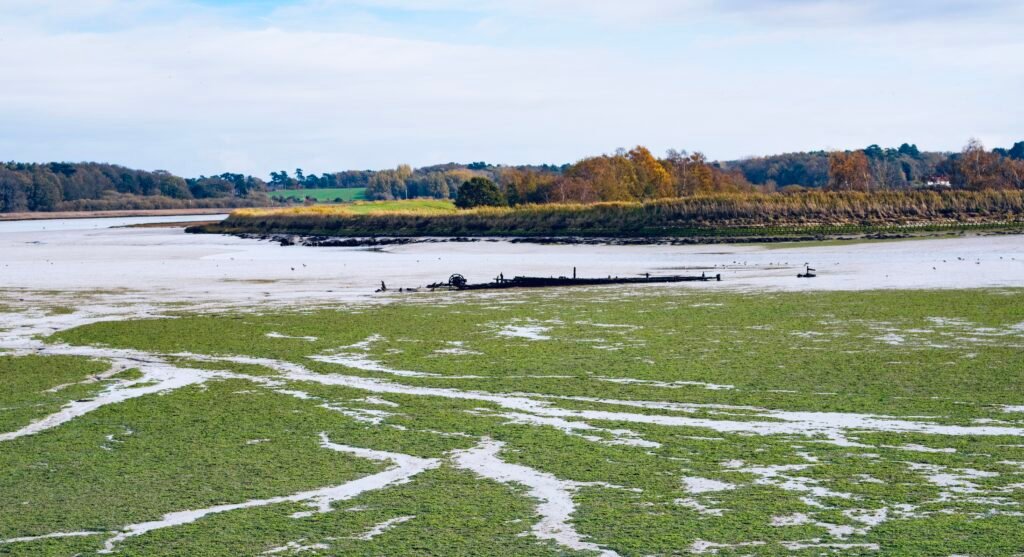
But all these snippets were underpinned by a deep knowledge of the history of the hamlet of Hemley, once 500 souls, now 21, and its surroundings superbly delivered by Patrick Bowden-Smith. His family have farmed there for some 200 years, but never faced the challenges of rising sea levels and a warmer climate he faces today. These have combined to increase salinity and so reduce the amount of land which is usable for crops. Even lines of trees some way back from the river are dying. As we walked down towards the river from the church and farmhouse, Patrick explained how the village used to be, why fields were named as they are (Tiles for clay, Ram not for sheep but for a large Victorian pump ram), and where the creeks and tributaries used to run. There was a port off Kirton Creek, associated with a lost settlement called Guston and navigation was possible as far as Kirton. Part of the new King Charles III path runs along the old river bed of the now disappeared Mill River where there were three tide mills along its course from the barge dock. Patrick pointed out the decaying wreck of a huge barge, scuppered in the 1920s . . .
The current research Patrick is involved with uses LIDAR alongside traditional archaeology to identify where structures used to be, for example the quays at Guston or Roman villas (“they are everywhere”). Three universities are involved in this 30-year programme, now in its 22nd year.
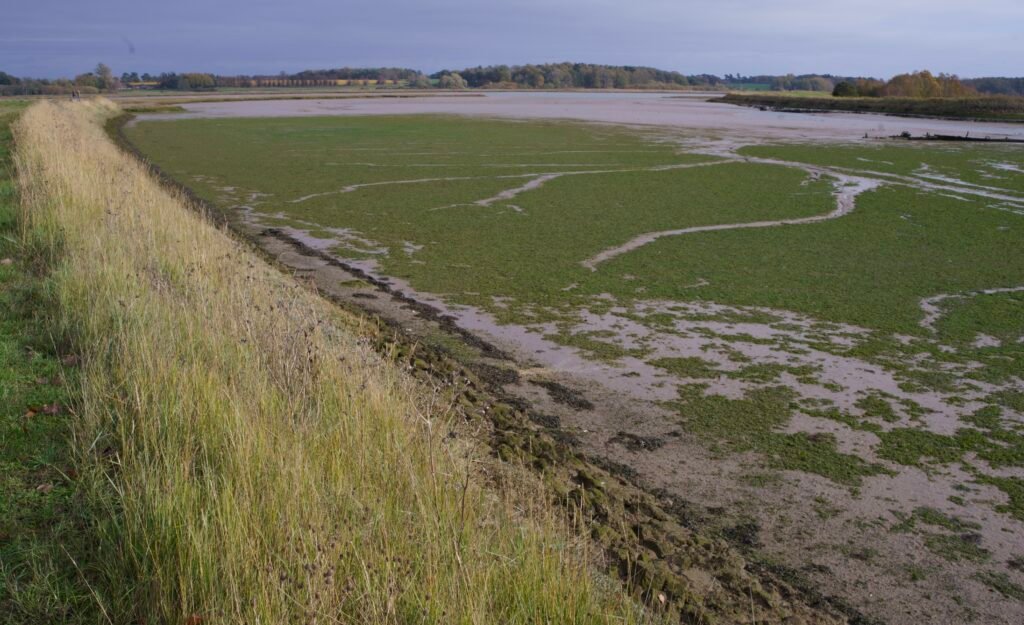
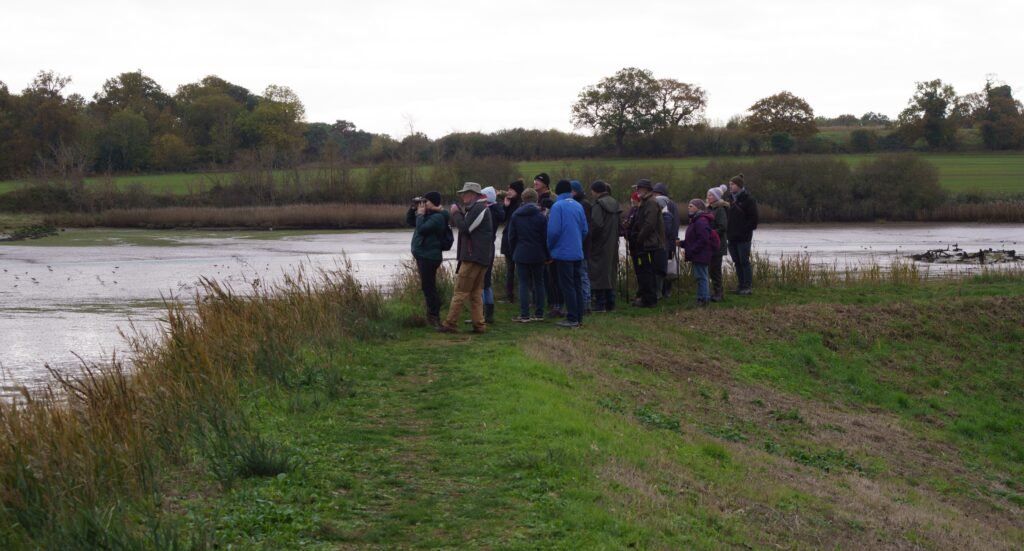
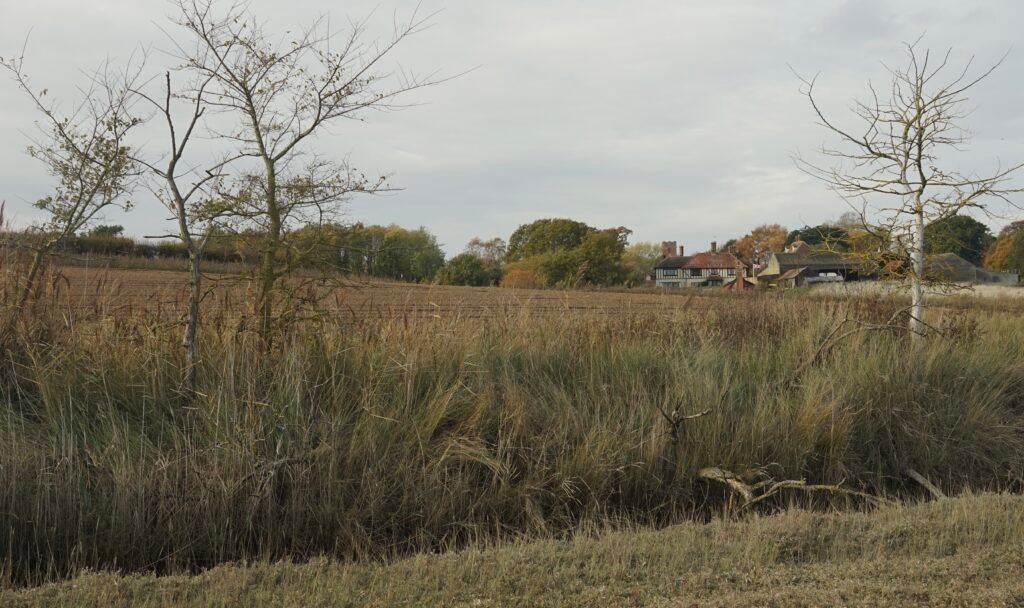
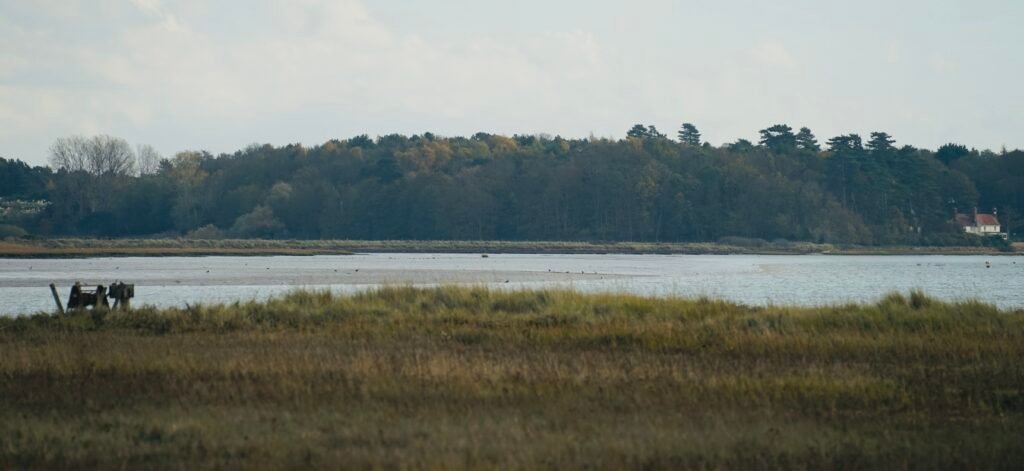
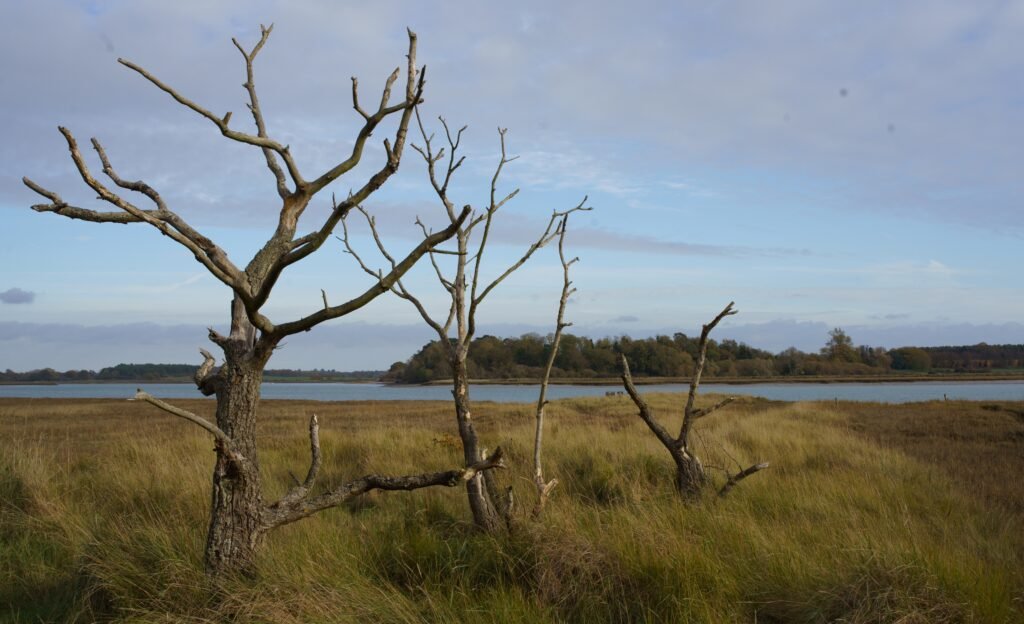
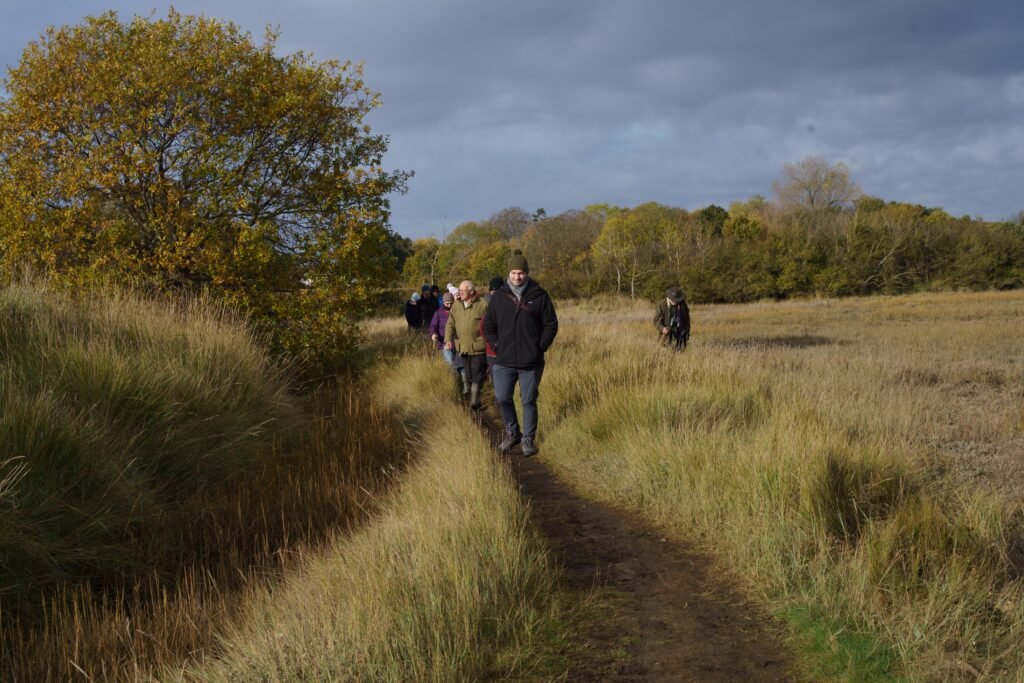
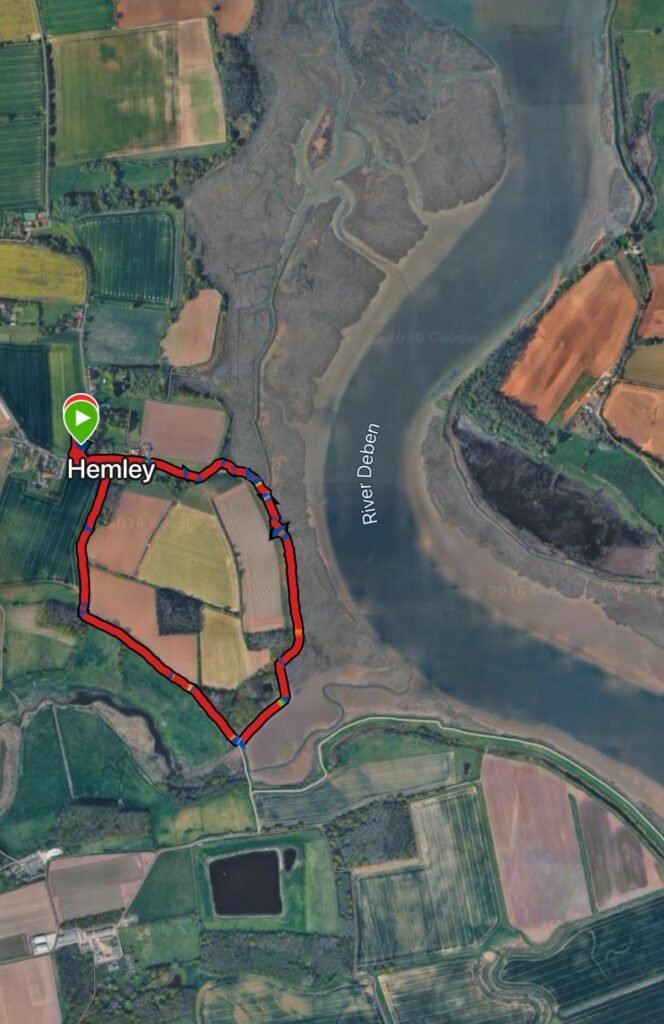
After a couple of hours walk, we returned to the church room, somewhat muddy (the wellies were a good idea for those who wore them). Georgi had been preparing some excellent, hearty soup and home made focaccia whilst we were out walking. After lunch, we were shown some of the artefacts which had emerged from the surrounding land. These spanned the ages from a fossilised crayfish burrow, a left-handed hand axe which will have been brought over from Europe via Doggerland, a Tudor shoe buckle and a machine gun cartridge (live!) from World War II.
As his parting shot, Patrick said, “there’s history everywhere if you know where to look”. It was indeed fascinating – and to be repeated in the Spring; book early!
Our thanks go to Patrick Bowden-Smith for leading the walk and providing the fascinating narrative, Georgi Clark for excellent home made lunch (and the biscuits, of course, on arrival), Sue Pascoe, Church Warden for arranging use of the Church Room and Beverley Yates for putting the event together.
Words: Moray MacPhail
You must be logged in to post a comment.